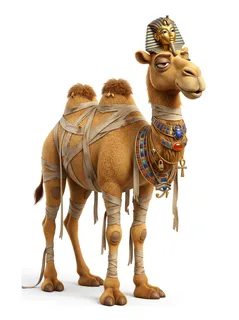
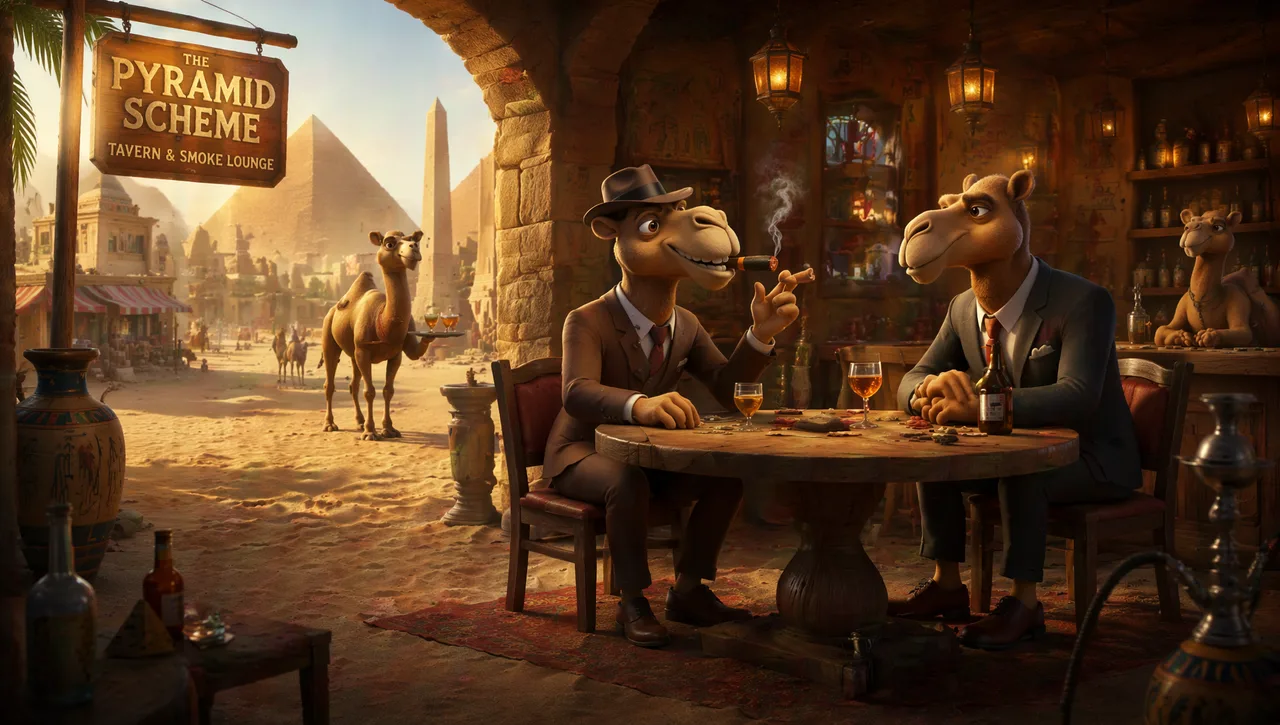
The boss hired an orchestra, built a stage at the foot of the pyramids and sang to two thousand people who had no choice in the matter. The song is called "The Chamo". It is, let us admit it, better than we hoped.
In the reshuffling of names, one case is worth dwelling on: over at the Chamoteurs, two runners swapped identities. It is not a clerical slip. It is a correction.
You can finally review your beasts one by one: breed, stats, form of the day, accessories. And train them — provided it is Sunday, between 5 and 8 in the evening.
Until now we raced in silence. For a few days each arena has had its own music, each gang its own theme, and every token laid on the table sounds like a token laid on a table.
Two arenas have changed names, three events too, and a dozen runners woke up with a new identity. The house calls it "a clarification". Nobody was consulted.
Five rivals per faction, faced one at a time, the boss last. Every win strikes out a name. It is simple, it is brutal, and it is called the hunting board.
Winning the race is not enough. The house grades your beast and your bet — and if you placed nothing right, you leave empty-handed, even after crossing the line in front.
Turbos, banana skins, scarabs, smoke bombs: the house now sells the arsenal in broad daylight. Twenty-one items, four tiers of rarity, and two articles you can only pay for in diamonds.
No more stables lining up three chamos and sweeping the board. From now on, an owner enters a single beast per race. The other four runners are rivals. And if yours wins, the house adds a bonus.
Al Pacciamo did what he had never done before: he handed over the list. Six gangs, thirty beasts, a running order. We now know who races, where, and against whom.